The question arrives at our counter most weeks, usually with a shirt in each hand and a slightly embarrassed pause: slim fit vs. regular fit — which one am I? It is a sensible question with an unsatisfying answer, and mid-November is the right moment to give it, because the season of party shirts and gift boxes is about to begin and a great deal of money is about to be spent on the strength of two small words sewn into a collar. Here is the truth we repeat on Decarie more often than any other: the words on the label do not describe you. They describe the maker's pattern.
Slim fit vs. regular fit: the words belong to the maker
There is no governing body for fit names. No committee in Geneva has ever ruled on what slim means. One house's slim is another house's regular; a third house will call the same silhouette modern and consider the matter settled. The names are not a standard. They are a vocabulary — and each maker speaks its own.
Walk our shirt wall and you can hear the accents. ETON cuts its shirts in slim and contemporary. Stenströms writes Slimline on its trimmest cut and regular on the fuller one. Jack Victor names its suit patterns outright — the Esprit is a modern fit, the Montana a contemporary — and Luigi Bianchi calls its softest silhouette the Dream fit, which tells you something about Mantua and nothing about measurements.
This sounds like chaos. It is actually the system's one great gift: within a single house, the vocabulary never wavers. A man who knows he wears ETON contemporary in a 16 neck can buy the next one without trying it on, this year and in five years. The label is useless for comparing between makers and nearly infallible within one. Learn your word in the houses you buy from, and the guesswork ends.
We can demonstrate the whole argument with two shirts hanging a few feet apart this week: Stenströms sent us its soft twofold cotton flannel in nearly the same light blue check, cut two ways. The regular fit carries a little more room through the body; the Slimline version of the check follows the torso closely enough that you would guess it came from a different shop. Same cloth, same mother-of-pearl buttons, same collar. Only the pattern underneath changed — and the pattern is everything.
The ladder, roughly
Allowing for every house's accent, the words do stack into a rough ladder. Slim sits closest to the body — trim through the chest and waist, a higher armhole, no spare cloth to speak of. Modern is a half-step out. Contemporary is the balanced middle: shaped, but with honest room through the body. Classic, or regular, is the fullest cut, drawn for comfort and for the man who moves all day.
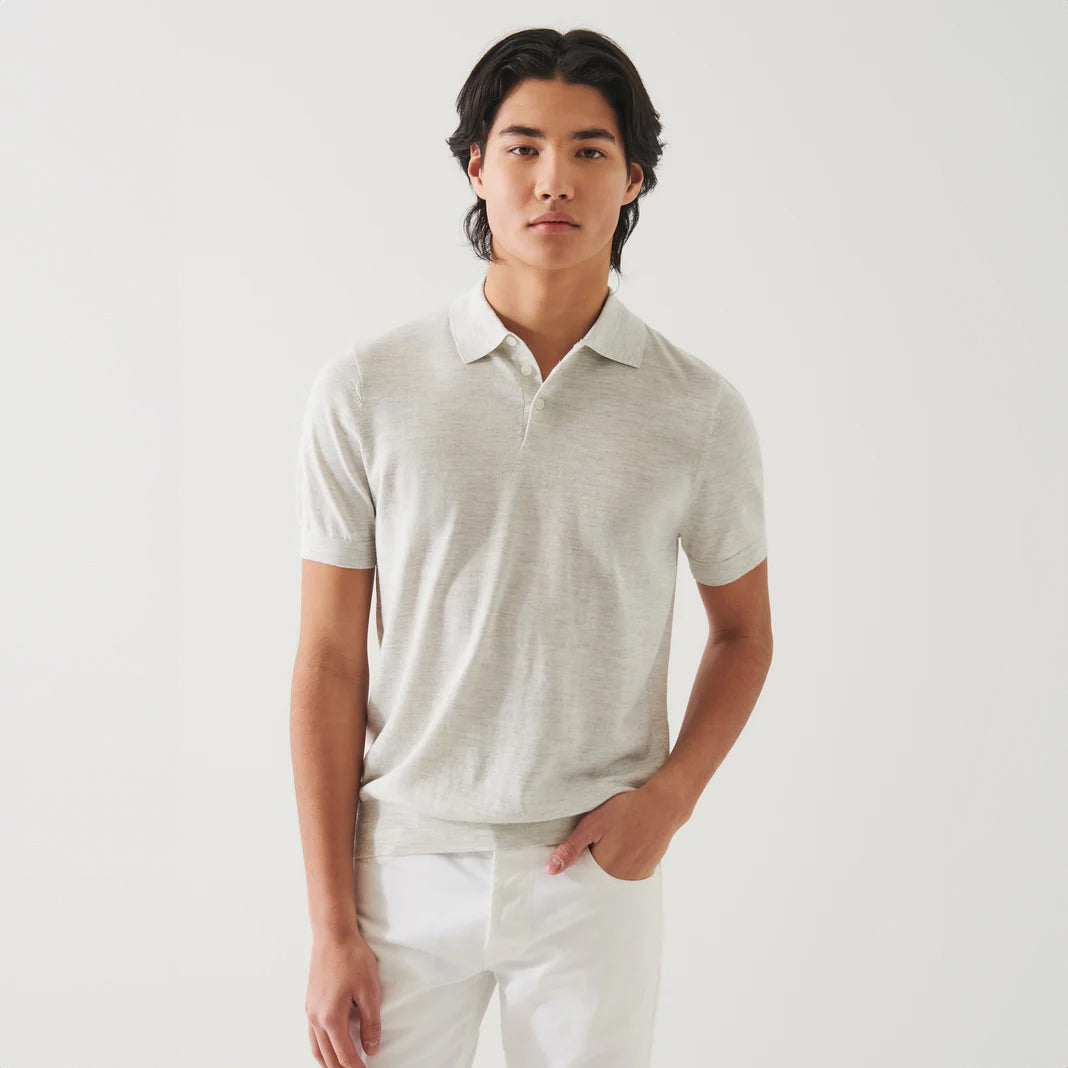
Now the opinion, because you come to these pages for opinions: slim is a shape, not an age. We have fit trim men of seventy into Slimline shirts that looked exactly right, and we have talked men of thirty out of slim cuts that fit like regret. The fashion press spent fifteen years implying that the trimmest cut was the youngest and therefore the best. The mirror has never once agreed. The best fit is the one that skims your shoulders and chest and lets you reach for a wine glass without the front placket filing a complaint.
And never size up to escape a cut. This is the most common fit mistake we see, and the most expensive. A 16.5 slim that pulls across the chest is not asking to become a 17 — that road ends with a collar you could pass a fist through. It is asking to become a 16.5 in a fuller fit. The neck size is yours; the fit name is negotiable. Change the word, not the number.
If you want to see what a well-judged middle cut looks like this season, ETON's gray and beige King Twill check in the contemporary fit is the shirt we keep reaching for: textured enough to live under brown or navy tailoring, machine washable, and cut with room through the body while keeping a clean, tailored line. It is, quietly, the fit most men in this city actually wear — whatever they believe about themselves when they ask for slim.
Suits speak the same language
Everything above holds on the shirt wall and doubles in consequence one rack over, where the suits hang. Jack Victor's Esprit — the modern fit we have featured in these pages this fall — and the roomier Montana are the same cloth-and-pattern logic at twenty times the tailoring. The label narrows the search; it never finishes it. A fit name tells you which two suits to carry into the fitting room. The mirror, and the shoulders, decide between them — and our tailors can bring the body of a fuller cut inward in ways no one can conjure spare cloth into a slim one. When in doubt, buy the word with more room and let the workroom do the fine print.
So: which one are you? You are a neck size, a shoulder line, and a preference — and we keep all three on file once you have stood in front of our mirror once. Come settle your vocabulary before the December rush, when every man in Montreal is buying shirts in a hurry and half of them are guessing. Book a visit, or simply walk in to 6224 Decarie with the shirt that never quite fit. We will tell you in thirty seconds which word it should have said.