Cart
0
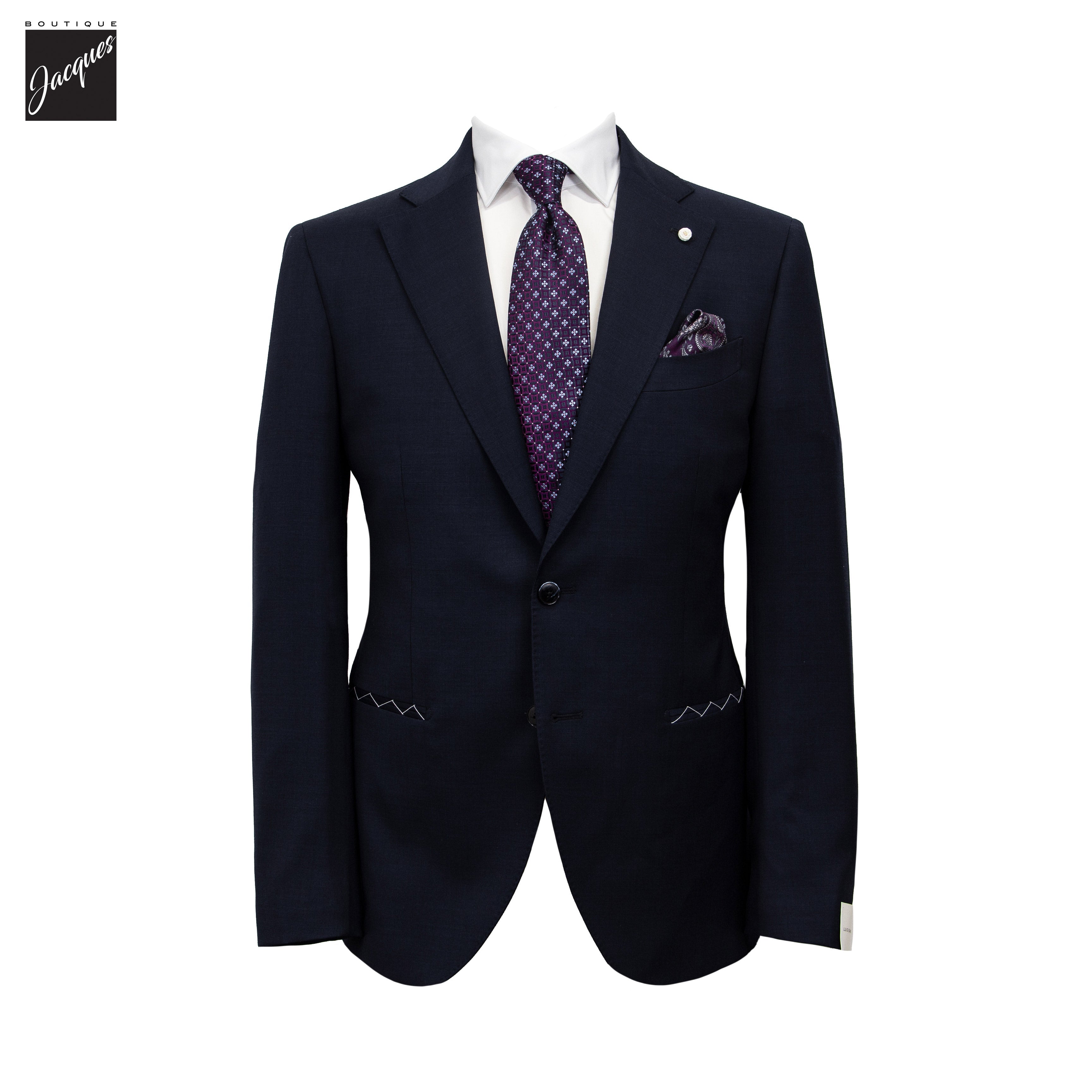
Every few weeks a client brings us a suit that has been loved almost to death. The cloth has gone flat and papery, the lapels have lost their roll, and there is a shine on the seat that no pressing will undo. The culprit is almost never wear. It is the dry cleaner. So before the season gets going in earnest, here is our honest advice on how to care for a suit — what to do weekly, what to do rarely, and what to stop doing altogether.
The first rule: stop dry cleaning it
Dry cleaning is not gentle. The solvents strip the natural lanolin out of wool, and each trip through the machine leaves the cloth a little drier, a little flatter, a little more brittle. A suit worn weekly needs cleaning perhaps twice a year — end of fall, end of spring — and spot treatment in between. That is not us being precious. It is how the mills that weave for Luigi Bianchi and Jack Victor expect their cloth to be treated.
What most men actually want from the cleaner is a pressed suit, not a cleaned one. Ask for press-only. Any decent cleaner offers it, it costs less, and it spares the wool entirely. Better still, a handheld steamer does ninety percent of the job at home in three minutes, and steam refreshes the fibre rather than crushing it flat the way a hot iron in a hurry does.
Brush, steam, rest
Wool is remarkably good at looking after itself if you let it. It sheds wrinkles, bounces back from a long day, even releases odour — but only with rest. The routine we recommend takes less time than making coffee.
After each wear, empty the pockets — a phone and a wallet left overnight will pull a jacket out of shape faster than anything else — and give the suit thirty seconds with a horsehair brush, shoulders to hem. Brushing matters more than most men think: dust and dried city grit are abrasive, and they cut at the fibre every time you move. Then hang the jacket on a proper wide-shouldered hanger, never the wire kind, and give it forty-eight hours before you wear it again. Two suits in rotation will each outlast three worn back-to-back; we make the same argument about shoes, and it is just as true here.
One caveat from our fitting room: the finer the cloth, the more the routine matters. A Super 150's worsted or a superfine merino like the dark blue Luigi Bianchi Mantua we brought in this fall drapes beautifully precisely because the fibres are so fine — and fine fibres are delicate ones. The luxurious cloths reward care and punish neglect. A hardier wool, like the stretch woven into Jack Victor's Montreal-made suits, is more forgiving of a busy week. Neither wants to see the dry cleaner monthly.
How to care for a suit through a Montreal winter
September is the easy part. The real test of how to care for a suit in this city starts when the radiators come on and the salt trucks come out.
Indoor heat is the quiet enemy. A suit hung next to a radiator, or in a closet that shares a wall with one, dries out exactly as your skin does in January. Keep tailoring in the coolest closet you have, with room to breathe — jackets crammed shoulder to shoulder never release their wrinkles.
Salt is the loud one. When slush splashes a trouser hem, deal with it that evening: a clean cloth, cool water, a little white vinegar, dabbed — not rubbed — and the hem left to dry at room temperature. Wait a week and the salt eats into the fibre, leaving white tide-lines that are the reason so many trousers look tired by March. And when you come in from real snow, resist the radiator. Wool dries best slowly, on its hanger, in the open. Heat-dried wool goes stiff and never quite recovers.
When care runs out, come see us
Good habits will double the life of anything in our tailored clothing collection, but they will not fix a seat gone shiny or a cloth stripped thin. If a favourite suit is at that point, bring it by the shop on Decarie and we will tell you plainly whether it can be revived or whether its money is better spent on its successor. Our tailors press, refresh, and alter in-house, and a proper pressing on a well-kept suit is often the whole cure. Book a visit, or just come in with the suit over your arm. We have seen worse. We can usually tell within a minute.