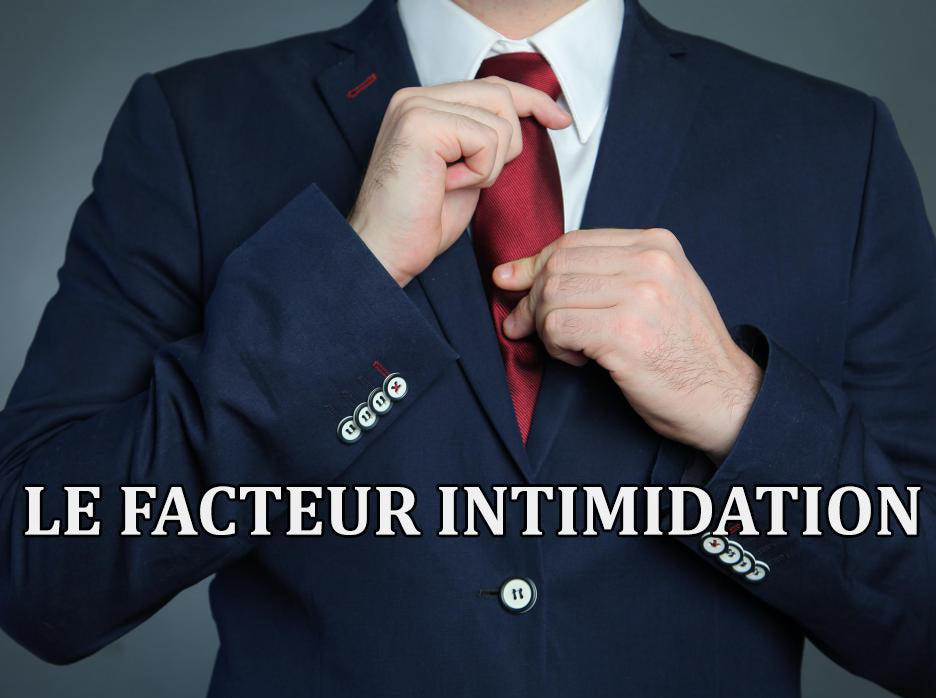
We are seeing an interesting consequence of the decline of the suit as a business uniform. Those who do not normally wear them at work are often perceived as being uncomfortable around those who do. "My client wears jeans and a t-shirt; I don't want to intimidate him." This is a natural reaction from professionals when putting together their wardrobe. I see many professionals dressing casually to adapt to their clients' dress codes, in order to create a more relaxed atmosphere.
The advice I give my professional clients is to command the respect they deserve through the way they present themselves and their services. Naturally, this involves giving real importance to the way they dress. Present the right image, and you will gain your client's trust. On the other hand, it is easy to miss your presentation with the wrong outfit. The purpose of a well-chosen outfit should be to gain credibility and project your image correctly. Generally, a formal style is interpreted as authoritative, precise, and decisive, while a more casual style can convey a creative sense and open-mindedness.
Ultimately, there is no systematic rule on how to dress – it comes from knowing your business and your clients' expectations. Culturally, we have certain expectations for certain roles – a lawyer must look like a lawyer, an investment banker must look like an investment banker, and a web designer must also look like a web designer. By aligning with expectations, the right clothes will tell your audience: "I have proven myself, I am successful, and I excel at what I do. Pay attention!" This image, rooted in your clients' subconscious, is partly what allows you to achieve your goals.
Of course, once you know the rules, you can adapt them to meet your needs. Your intention in projecting your image is not to intimidate, but to create an atmosphere or suggest a state of mind. A striking contrast of colors expresses more power and authority. A classic "power suit," navy blue or gray, paired with a white or light blue shirt and a bold tie will inspire respect.
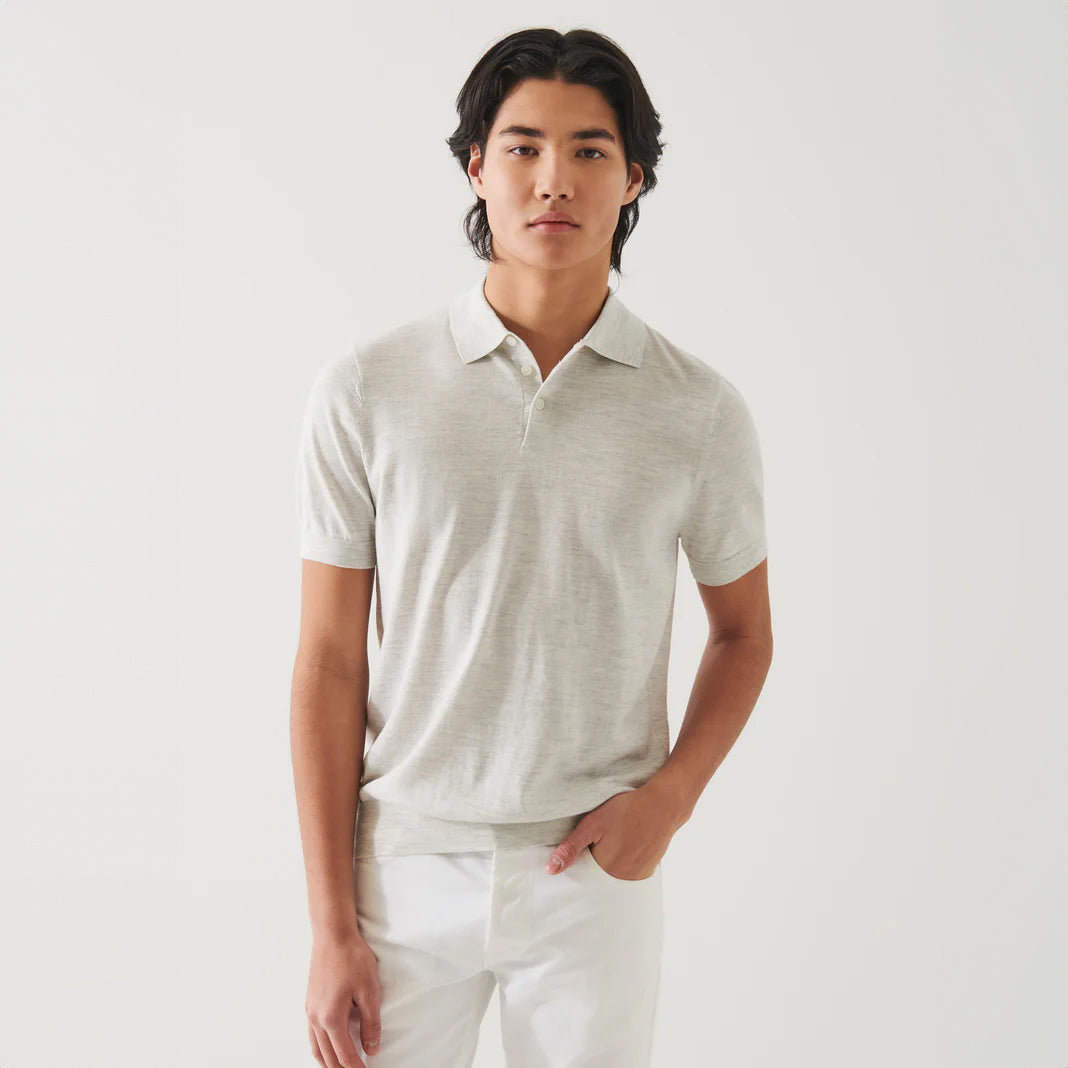
Alternatively, if your goal is to appear approachable and collaborative, you may want to try a more casual style. Opt for light-colored suits with a discreet pattern, sport coats with dress pants, or even fashionable jeans and no jacket.
Again, it all comes down to knowing your role and your clients' expectations. The power suggested by clothing should not be underestimated. Use it creatively in the boardroom, at your next business lunch with a client, or to impress your partner.
Next time, we'll talk about dress code expectations for those in more creative fields. Subscribe to our RSS feed, or follow us on Facebook and LinkedIn to make sure you don't miss anything!